Decoding the Sterringwheel Logo: A Symbol of Direction and Control
In the vast landscape of visual identity, few symbols carry as much immediate weight and universal recognition as the Sterringwheel Logo. Whether rendered as a sleek, modern vector or a rugged, vintage stamp, this icon transcends industries. It is not merely a graphic element; it is a shorthand for control, navigation, and the journey itself. From the dashboard of a high-performance race car to the helm of a massive ocean liner, the concept of the wheel dictates direction. For businesses and creators looking to establish a brand rooted in movement, guidance, or mechanical precision, understanding the nuances of this symbol is essential.
The term "Sterringwheel" often evokes images of automotive excellence, yet its application is far broader. It serves as a bridge between the terrestrial and the maritime, the literal and the abstract. When a company chooses a steering wheel as their primary logo or emblem, they are making a bold statement about their role in the customer's life: they are the ones holding the handle, guiding the path, and ensuring safety amidst the chaos of traffic or the unpredictability of the sea.
The Dual Nature: Automotive Precision vs. Maritime Tradition
One of the most fascinating aspects of the Sterringwheel Logo is its chameleon-like ability to adapt to different sectors while retaining its core meaning. In the automotive world, the wheel represents speed, technology, and the thrill of the drive. Here, the design tends to be aerodynamic, often utilizing flat design principles, thin lines, and geometric abstraction to suggest a modern sport aesthetic. Think of a racing team needing a badge that screams velocity; the logo becomes a stylized circle, perhaps incorporating elements of a speedometer or a tire tread pattern.
Conversely, in the nautical and marine industries, the same symbol shifts tone completely. A ship wheel or helm implies tradition, stability, and mastery over the elements. These designs often lean towards a vintage or retro style, featuring wood-texture illustrations, brass accents, and intricate details that evoke the golden age of sailing. A yacht club or a maritime logistics company might opt for a more ornate insignia, complete with anchors, ropes, or compass roses, transforming the simple circle into a story of adventure and exploration on the open ocean.
This duality allows the Sterringwheel Logo to serve a diverse range of clients. A driving school might use a friendly, simplified version to represent education and safety, while a mechanic shop might choose a grittier, gear-integrated design to highlight repair services and technical expertise. The key lies in the execution: the number of spokes, the thickness of the rim, and the accompanying typography all dictate whether the viewer thinks of a highway or a harbor.
Design Elements and Visual Characteristics
Creating an effective Sterringwheel Logo requires a deep understanding of shape language. At its heart, the symbol is a circle—a shape associated with unity, infinity, and protection. However, it is the internal structure that provides the character.
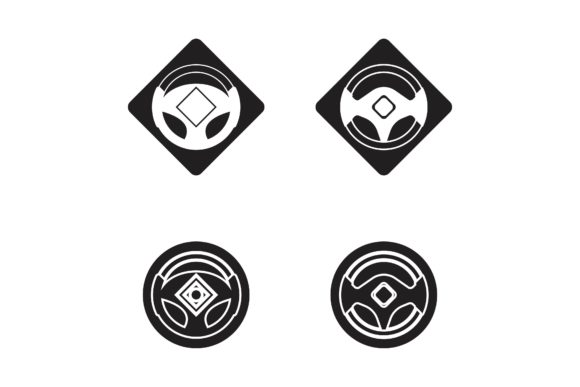
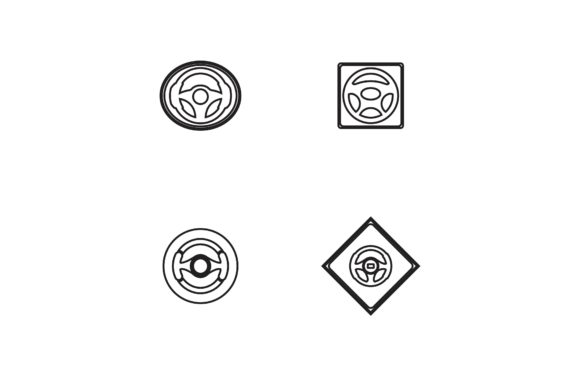
- Spokes and Geometry: The arrangement of spokes can convey different messages. Three spokes often suggest speed and minimalism, common in racing contexts. Four or more spokes can imply stability and strength, suitable for trucks or heavy transportation services. Some modern interpretations abandon traditional spokes entirely, using negative space or abstract swirls to hint at the form without explicitly drawing it.
- Line Weight and Style: A thin line approach offers a delicate, sophisticated look, ideal for luxury coupe brands or high-end travel agencies. In contrast, bold, heavy outlines create a sense of durability and industrial power, perfect for garage signs or equipment manufacturers. The trend towards linear and outline styles has made these logos incredibly versatile for digital applications, ensuring they remain clear on small mobile screens.
- Color Psychology: While many logos start as a black and white silhouette for versatility, color adds emotional depth. Blue is frequently used to denote trust and connects naturally to both the sky (aviation/road) and the sea (marine). Red injects energy and urgency, often seen in rally teams or emergency service vehicles. Gold or bronze tones can elevate a design to feel classic and premium, suggesting a long history of quality.
Furthermore, the integration of additional elements can refine the message. Adding a wing motif suggests freedom and flight, often used by logistics companies promising fast delivery. Incorporating a cog or gear emphasizes the mechanical aspect, appealing to technicians and engineers. Even subtle additions like a horn icon or a traffic light can ground the logo in specific urban contexts.
Practical Applications Across Industries
The utility of the Sterringwheel Logo extends far beyond vehicle manufacturers. Its symbolic power makes it a favorite among service providers who want to communicate guidance and reliability. Consider the following real-world scenarios:
- Education and Training: Driving schools and simulator centers rely heavily on this imagery. A clean, approachable pictogram of a steering wheel reassures learners that they are in safe hands. It visually communicates the core activity of the business without needing words.
- Tourism and Adventure: Travel agencies specializing in road trips, cruises, or safaris use the wheel to evoke the spirit of the journey. Here, the logo acts as an invitation to explore, promising an experience where the customer is the captain of their own adventure.
- Technology and Navigation: In the digital realm, GPS apps and navigation software often utilize a stylized wheel or compass hybrid. It represents the interface between the user and the map, symbolizing control over one's location and route.
- Corporate Branding: Consulting firms and business agencies sometimes adopt the metaphor of the "helmsman." A sophisticated, abstract interpretation of a steering wheel can signify strategic leadership, suggesting that the company helps steer clients through complex market waters.
For web designers and multimedia artists, the Sterringwheel Logo offers excellent flexibility. As a vector graphic, it scales effortlessly from a tiny favicon to a massive billboard. Its symmetrical nature makes it easy to center within layouts, and its strong silhouette ensures high visibility against various backgrounds. Whether used as a sticker on a laptop, a patch on a uniform, or a signage element in a showroom, the design holds its integrity.
Evaluating Suitability and Avoiding Clichés
While the Sterringwheel Logo is powerful, its popularity means it can easily become cliché if not handled with creativity. A generic, clip-art style wheel may fail to distinguish a brand in a crowded marketplace. To avoid this, designers must focus on unique twists and creative execution.
When evaluating a potential design, ask: Does this look like every other auto repair shop sign? If the answer is yes, it is time to iterate. Perhaps the wheel can be formed by a continuous line that also creates a road. Maybe the negative space inside the rim forms a subtle letter of the company name. The goal is to move beyond the literal object and capture the idea behind it.
Limitations should also be considered. For industries unrelated to transport or guidance, a steering wheel might confuse the audience unless the metaphor is very clearly established through accompanying text or branding materials. Additionally, overly complex illustrations with too many details (like realistic wood grains or intricate rope work) may not translate well to small-scale digital formats, losing their impact on mobile devices.
Ultimately, the success of a Sterringwheel Logo lies in its ability to resonate with the target audience's desire for direction. Whether it is a professional racer seeking an edge, a sailor looking for reliable gear, or a student learning to drive, the logo serves as a beacon. It promises that no matter the terrain—be it a winding mountain road or a stormy sea—there is a mechanism in place to ensure a safe and successful arrival. By balancing modern trends with timeless symbolism, this enduring icon continues to steer brands toward success.