Blue Factory and Water Drop: A Practical Guide to Vector Art for Designers
In the current landscape of digital design, the demand for high-quality, versatile assets has never been higher. Professionals ranging from graphic designers to small business owners are constantly searching for resources that balance aesthetic appeal with technical precision. The Blue Factory and Water Drop collection represents a specific niche within this market, offering vector-based artboard files designed for scalability and clarity. This article evaluates the practical utility of these assets, examining their technical specifications, potential applications, and overall value for creators who need reliable elements for their projects.
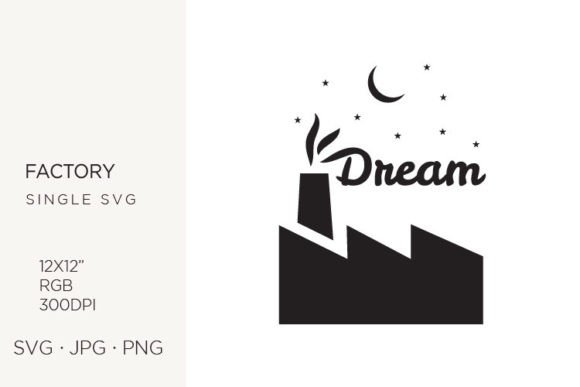
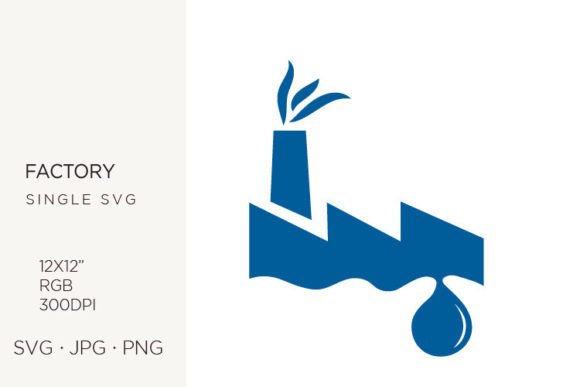
At its core, this collection features industrial and natural motifs combined into a cohesive visual language. The "Blue Factory" element suggests themes of industry, production, and modern infrastructure, while the "Water Drop" introduces concepts of purity, fluidity, and environmental consciousness. When paired, these graphics offer a unique juxtaposition that can be leveraged in branding for companies operating at the intersection of manufacturing and sustainability, or simply for designs requiring a clean, corporate yet organic feel. Understanding the specific characteristics of these files is essential for determining how they fit into a professional workflow.
Technical Specifications and File Integrity
The foundation of any useful digital asset lies in its technical construction. The Blue Factory and Water Drop files are created using Adobe Illustrator, a standard vector program known for its robust handling of paths and shapes. The files are provided in multiple formats, including SVG, JPG, and PNG, ensuring compatibility across a wide range of software environments and end-use scenarios.
A critical aspect of this collection is the resolution and color profile. The files are rendered at 300 DPI in the RGB color palette. For digital applications such as web design, social media graphics, and screen-based presentations, the RGB profile ensures that colors appear vibrant and accurate on monitors and mobile devices. The 300 DPI specification, while traditionally associated with print, indicates a high level of detail in the rasterized versions (JPG and PNG), allowing for crisp output even when scaled moderately for printed materials like flyers or stationery.
The inclusion of SVG (Scalable Vector Graphics) is perhaps the most significant feature for serious creators. Unlike raster images, SVGs maintain their sharpness regardless of size. Whether you are resizing the water drop for a favicon or expanding the factory illustration for a large wall mural, the vector data ensures no loss of quality. The artboard size is set to 12 x 12 inches, providing a generous canvas that allows designers to manipulate the elements without immediately hitting boundary constraints. This flexibility is crucial for adapting the artwork to non-standard dimensions required by specific client briefs.
Versatility in Application and Use Cases
The true measure of a digital graphic pack is its adaptability. The Blue Factory and Water Drop elements are not limited to a single medium; they serve as foundational blocks for a diverse array of creative outputs. Because the files are vector-based, they can be deconstructed, recolored, and rearranged to suit specific brand identities.
For logo design, these elements offer immediate recognition. A startup focusing on water filtration systems for industrial plants could combine the factory silhouette with the water drop to create a literal yet professional mark. Similarly, a consulting firm specializing in sustainable manufacturing might use the blue tones to convey trust and the water element to suggest eco-friendly practices. The clean lines typical of vector art make these logos legible even at small sizes, such as on business cards or mobile app icons.
Beyond corporate branding, these assets hold significant value for handmade craft items and stationery. Crafters using cutting machines can import the SVG files to create precise stencils or vinyl decals. The 12x12 artboard aligns perfectly with standard cutting mat sizes, minimizing waste and setup time. Applications include:
- Invitations and Announcements: The graphics can be used as central motifs for baby showers, corporate events, or environmental awareness campaigns.
- Wall Art: When printed on high-quality canvas or paper, the vector precision ensures smooth edges, making them suitable for office decor or nursery themes.
- Party Decor: From cupcake toppers to banner flags, the scalable nature of the files allows for consistent sizing across various decorative elements.
- Jewelry Design: Laser cutters can utilize the vector paths to engrave or cut these designs into wood, acrylic, or metal for pendants and earrings.
Furthermore, web designers and bloggers will find the PNG and JPG versions ready for immediate insertion into content management systems. The transparency of PNG files allows for seamless integration over colored backgrounds, while the JPGs provide lightweight options for faster page loading speeds where transparency is not required.
Evaluating Quality and Workflow Efficiency
From a professional standpoint, the consistency of the Blue Factory and Water Drop collection contributes to workflow efficiency. One of the common frustrations with stock assets is the inconsistency in style between different elements in a pack. However, because these files originate from a unified vector source in Adobe Illustrator, the line weights, curvature styles, and color harmonies are inherently matched. This reduces the time a designer spends normalizing disparate elements to look like they belong together.
The usability of these files extends to their editability. In a vector program, every anchor point and path is accessible. If a client requests a specific shade of blue that differs from the original RGB values, a designer can adjust the global swatches or individual object fills instantly. This level of control is impossible with flat raster images alone. The reliability of the file structure means that there are fewer risks of corrupted layers or missing fonts, as the text (if any) is typically outlined, and the shapes are closed paths.
Regarding long-term value, investing in vector assets often pays off more than purchasing single-use raster images. As trends shift, a vector logo or icon can be updated with new colors or slight modifications to stay relevant without needing to be redrawn from scratch. The Blue Factory and Water Drop graphics, with their somewhat timeless subject matter, are less likely to feel dated quickly compared to highly stylized or trendy illustrations.
Who Benefits Most from These Assets?
While these graphics are broadly applicable, certain demographics will derive the most immediate benefit. Entrepreneurs and small business owners who manage their own marketing materials will appreciate the cost-effectiveness of purchasing a versatile pack rather than hiring a custom illustrator for every minor project. The ability to produce professional-looking printed paper items and graphic design elements in-house can significantly reduce overhead costs.
Freelance designers and agencies will also find value here. Having a library of pre-made, high-quality vectors allows for rapid prototyping during the pitch phase of a project. If a client needs a concept for an industrial water treatment facility, having the Blue Factory and Water Drop elements ready to assemble can speed up the initial presentation, demonstrating competence and preparedness.
Educators and publishers creating materials for STEM subjects or environmental science curricula can use these clear, uncluttered graphics to illustrate concepts regarding industry and nature. The simplicity of the vector style ensures that the message remains the focus, without the distraction of overly complex textures or shading.
Practical Considerations and Limitations
Despite their strengths, it is important to approach these assets with a realistic understanding of their limitations. The RGB color palette is optimized for screens. If the primary goal is large-scale commercial printing (such as billboards or offset brochures), designers must be aware that RGB colors may shift when converted to CMYK. While the 300 DPI resolution helps mitigate quality loss in raster exports, a true vector-to-vector workflow is always preferable for professional print jobs to ensure color accuracy.
Additionally, while the 12x12 artboard is generous, complex compositions involving multiple instances of the factory and water drop might require expanding the canvas or grouping elements efficiently to maintain organization within the design software. Users unfamiliar with vector editing may initially find the SVG format challenging if they attempt to edit it in raster-only programs, though the included JPG and PNG files mitigate this barrier for non-technical users.
Ultimately, the Blue Factory and Water Drop collection serves as a robust toolkit for those who value precision and flexibility. It bridges the gap between industrial aesthetics and natural elements, providing a solid foundation for a wide spectrum of creative endeavors. By leveraging the scalability of vector graphics and the convenience of multi-format delivery, creators can enhance their productivity and deliver polished, professional results across both digital and physical mediums.