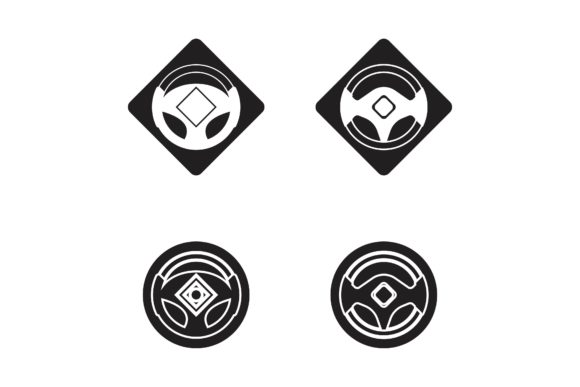
Steering Logo Design: Building a Strong Identity for Automotive and Navigation Brands
In the competitive landscape of the automotive and transportation industries, visual identity is more than just an aesthetic choice; it is a critical component of brand recognition and trust. A Steering Logo serves as the primary symbol for businesses ranging from driving schools and auto repair shops to luxury car manufacturers and maritime navigation firms. This iconic imagery, often centered around the wheel, helm, or rudder, instantly communicates concepts of control, direction, safety, and movement. For business owners and designers alike, understanding how to leverage this powerful symbol is essential for creating a memorable brand that resonates with drivers, sailors, and students.
The Core Concept: More Than Just a Wheel
At its heart, a Steering Logo represents the interface between human intent and machine action. Whether it is the circular steering wheel of a modern automobile, the wooden helm of a classic yacht, or the abstract rudder of a large vessel, these symbols evoke a sense of agency. When a customer sees a well-designed logo featuring these elements, they subconsciously associate the brand with reliability and precision. The challenge for many organizations is moving beyond generic clipart to create a unique emblem that stands out in a saturated market.
The goal is not merely to display a vehicle part but to encapsulate the spirit of the service provided. For a driving school, the logo must suggest education, patience, and safety rules. For a racing team, it needs to convey speed, aggression, and high performance. A marine transport company requires an identity that reflects stability against the elements and expert navigation. By focusing on these underlying needs, a Steering Logo becomes a strategic tool rather than just a decoration.
Addressing Industry Challenges Through Design
Businesses in the automotive and transport sectors face specific challenges when establishing their visual identity. One common issue is the overuse of clichéd imagery. Many garages and auto shops rely on tired stereotypes of wrenches and tires, failing to distinguish themselves from competitors. Similarly, driving instructors often struggle to find a balance between appearing authoritative and approachable to nervous students.
A thoughtful Steering Logo addresses these situations by offering clarity and professionalism. For instance, a linear or outline style can modernize an old-fashioned repair shop, signaling that the business uses up-to-date diagnostics and technology. Conversely, a vintage or retro badge style might be the perfect solution for a classic car restoration service, appealing to enthusiasts who value tradition and craftsmanship. The design choice directly influences how potential clients perceive the quality of the service before they even make contact.
Practical Applications Across Different Sectors
The versatility of the Steering Logo allows it to be adapted for a wide array of practical applications. Understanding how different users approach this symbol is key to effective implementation.
- Driving Schools and Education: For instructors and academies, the logo often incorporates a steering wheel combined with elements like a check mark, a graduation cap, or a road sign. This combination reinforces the idea of learning, passing tests, and mastering traffic rules. A clean, flat design works best here, ensuring the logo remains clear on student manuals, website headers, and vehicle decals.
- Automotive Repair and Services: Mechanics and technicians benefit from logos that suggest strength and precision. Integrating the steering element with gears, cogs, or tool silhouettes creates a robust insignia. Using bold colors like navy blue, black, or red can convey a sense of industrial capability and trustworthiness.
- Racing and Performance: In the world of motorsports, the steering logo takes on a dynamic quality. Designers often use swirls, motion lines, and sharp angles to mimic speed. The color palette may shift to vibrant purples, electric blues, or high-contrast black and white to capture the energy of the track and the thrill of the race.
- Marine and Nautical Ventures: For yachts, ships, and sailing clubs, the "steering" concept translates to the ship's wheel or helm. These logos often feature nautical stars, anchors, or wave patterns. A classic serif typography paired with a gold or brass-colored wheel evokes a sense of luxury and maritime heritage.
Design Considerations for Modern Branding
Creating an effective Steering Logo requires careful consideration of several design elements to ensure the final product is both functional and aesthetically pleasing.
Simplicity and Scalability
In today's digital-first world, a logo must look exceptional on a massive highway billboard and a tiny smartphone screen. Simple, geometric shapes tend to perform best. Avoid overly complex details that may disappear when the logo is scaled down for a social media avatar or a business card. A minimalist approach ensures that the core message of direction and control remains clear regardless of the medium.
Color Psychology
Color plays a pivotal role in how the audience interprets the brand. Blue is frequently associated with trust, safety, and professionalism, making it ideal for driving schools and corporate transport fleets. Red and orange stimulate excitement and urgency, suitable for racing or emergency roadside assistance. Black and gold often signify luxury and premium service, perfect for high-end tuning shops or exclusive car clubs. Selecting the right palette helps align the visual identity with the company's core values.
Typography and Integration
The text accompanying the graphic element is equally important. The logotype should complement the icon without competing with it. For a modern tech-focused auto diagnostic firm, a sleek, sans-serif font works well. In contrast, a retro diner-style garage might opt for a bold, rounded typeface that echoes the curves of a classic coupe. Ensuring the text and the steering symbol form a cohesive unit creates a stronger brand identity.
Tailoring the Approach for Different Users
Different stakeholders will approach the creation and usage of a Steering Logo with unique priorities. A startup founder launching a ride-sharing app might prioritize a trendy, abstract interpretation of a wheel to appeal to a younger demographic, focusing on app icon visibility and digital presence. On the other hand, a third-generation mechanic taking over a family business might seek a design that honors the company's history while signaling a commitment to modern equipment and skills.
Educational institutions need to project authority and safety to reassure parents and students. Their logos often lean towards conservative, clear designs that emphasize rules and success. Meanwhile, creative agencies specializing in automotive advertising might push for avant-garde, abstract interpretations that break conventional molds to generate buzz and appreciation within the industry.
Implementing Your Visual Identity
Once the design phase is complete, the real work begins in implementation. Consistency is key. The Steering Logo should appear uniformly across all touchpoints: vehicle wraps, technician uniforms, website footers, invoices, and signage. This repetition builds familiarity and trust. For online presence, ensure the logo is available in various formats, including transparent PNGs and vector files, to maintain quality across different web platforms.
Furthermore, consider the longevity of the design. While trends like hipster line art or specific color gradients may be popular now, a strong logo should withstand the test of time. Focus on the fundamental elements of direction, control, and movement that are timeless in the transportation sector.
Conclusion
A well-crafted Steering Logo is a powerful asset for any business involved in transportation, education, or automotive services. It bridges the gap between the mechanical nature of vehicles and the human desire for safe, efficient travel. By understanding the specific needs of your audience—whether they are novice drivers, racing fans, or boat owners—you can create a visual identity that not only looks professional but also tells a compelling story. Embrace the symbolism of the wheel, helm, or rudder to steer your brand toward success, ensuring that every interaction reinforces your commitment to quality, safety, and excellence.