Mastering Cute Animals Watercolor Clipart PNG for Professional Design
Integrating whimsical elements into professional design projects requires a delicate balance between charm and technical precision. Cute Animals, Watercolor Clipart PNG assets have become a staple for creators seeking to add warmth and personality to their work. Whether you are designing invitations for a child’s birthday party or crafting branding materials for a boutique business, the quality of your digital assets directly impacts the final output. However, many designers, from beginners to seasoned freelancers, overlook critical technical details that can compromise their projects. Understanding the nuances of watercolor textures, transparency, and resolution is essential for achieving polished, high-quality results.
The Misconception of "Plug-and-Play" Quality
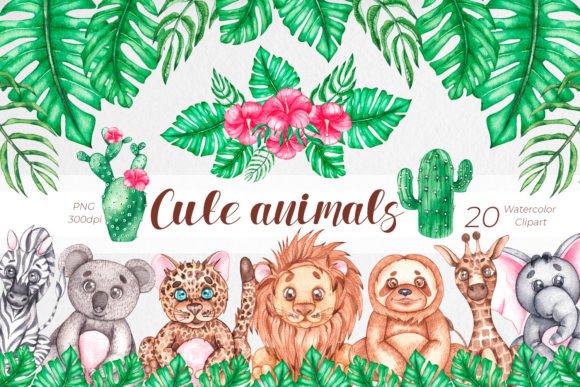
A common mistake among novice users is assuming that all downloadable clipart is ready for immediate commercial use without inspection. Many individuals download free or low-cost images only to discover later that the edges are jagged, the background is not truly transparent, or the resolution is insufficient for print. This oversight often leads to wasted time and dissatisfied clients. When you select Cute Animals, Watercolor Clipart PNG featuring subjects like koalas, lions, leopards, zebras, giraffes, sloths, and elephants, you must verify the technical specifications before incorporating them into your layout.
For instance, using a 72 DPI image intended for web display in a printed poster will result in pixelation and blurriness. Professional applications, such as textile printing or high-quality postcards, demand assets at 300 DPI. A collection that includes 20 PNG elements with a transparent background at 300 DPI provides the necessary fidelity for both digital and physical products. Always check the file properties immediately after download. If the image lacks a transparent background, you will spend excessive time manually removing white spaces, which rarely yields clean edges around complex watercolor textures.
Overlooking Cohesion in Design Themes
Another frequent error is mixing disparate artistic styles within a single project. Watercolor art relies heavily on specific brush strokes, color palettes, and texture densities. Combining a highly saturated, digitally rendered lion with a soft, muted watercolor sloth creates visual dissonance. This inconsistency can make a design look amateurish, regardless of the individual quality of the images. To maintain professionalism, ensure that all animal illustrations share a consistent artistic hand.
Consider a scenario where you are creating scrapbooking paper or packaging for a baby shower. If you pair a realistic zebra illustration with a cartoonish giraffe, the theme loses its integrity. Instead, opt for a curated set where the tropical plants and animals share similar watercolor techniques. This cohesion allows for seamless pattern creation and ensures that social media graphics or marketing materials present a unified brand identity. When evaluating a clipart pack, review all included elements—such as the elephant, leopard, and accompanying foliage—to confirm they belong to the same artistic family.
Neglecting Licensing and Usage Rights
Perhaps the most costly mistake involves ignoring licensing agreements. Many creators assume that purchasing a digital download grants unlimited rights for all types of commercial use. This is rarely the case. Some licenses restrict the number of physical items you can sell, prohibit use in logo design, or forbid redistribution of the raw files. Using Cute Animals, Watercolor Clipart PNG in violation of these terms can lead to legal issues and financial penalties.
Before integrating these assets into products for the textile industry or web design, read the license thoroughly. Determine if the pack allows for print-on-demand services or if it requires an extended license for mass production. For entrepreneurs and small business owners, this step is non-negotiable. A clear understanding of usage rights protects your business and ensures ethical practices. If you plan to use the clipart for high-volume promotions or packaging, verify that the creator permits such applications. When in doubt, contact the artist directly for clarification.
Inefficient Workflow and File Management
Disorganized file management can significantly hinder productivity. Downloading a zip file containing 20 PNG elements and leaving them uncompressed in a generic downloads folder leads to lost time when searching for specific assets. Professionals organize their libraries by theme, animal type, or project category. Labeling files clearly—for example, "Watercolor_Koala_300DPI.png"—streamlines the design process.
Additionally, failing to back up purchased assets is a risky habit. Digital marketplaces may change, links may break, or accounts may be suspended. Keeping a local archive of your licensed clipart ensures that you can revisit past projects or reuse designs for future clients without dependency on external servers. This practice is particularly important for freelancers who rely on consistent access to their resource library for meeting tight deadlines.
Maximizing Versatility Across Platforms
To get the most value from your clipart collection, explore its versatility across different mediums. Watercolor animals are not limited to greeting cards. They can enhance web design elements, serve as icons for social networks, or be incorporated into educational materials for educators. The key is adapting the size and placement of the images to suit the platform.
- Print Products: Use the 300 DPI files for postcards, stickers, and scrapbooking paper to ensure crisp details.
- Digital Media: Resize images appropriately for web design and social networks to maintain fast loading speeds without sacrificing clarity.
- Textile Industry: Test print samples on fabric to see how watercolor gradients translate to material, adjusting contrast if necessary.
- Packaging: Combine animal illustrations with tropical plants to create engaging patterns that stand out on shelves.
When creating patterns, pay attention to repetition and spacing. Overcrowding the design with too many large elements like elephants and giraffes can overwhelm the viewer. Instead, balance larger animals with smaller details like leaves or flowers. This approach creates visual rhythm and makes the pattern suitable for various applications, from wallpaper to fabric prints.
Evaluating Quality Before Purchase
Before committing to a purchase, scrutinize the preview images closely. Look for smooth transitions in color, clean edges, and consistent lighting. Check if the provider offers zoomed-in views to assess the texture quality. A reputable seller will provide detailed information about the file formats, dimensions, and resolution. Avoid packs that do not specify these details, as they may contain low-quality substitutes.
Reading reviews from other buyers can also provide valuable insights. Look for comments regarding ease of use, customer support, and accuracy of the product description. If multiple users mention issues with transparency or resolution, consider alternative options. Investing in high-quality Cute Animals, Watercolor Clipart PNG sets pays off in the long run by reducing editing time and enhancing the professional appearance of your work.
In conclusion, success with watercolor clipart lies in attention to detail, respect for licensing, and strategic application. By avoiding common pitfalls and adhering to best practices, you can leverage these charming animal illustrations to create compelling, high-quality designs for any audience. Whether you are a hobbyist crafting personal gifts or a marketer developing brand assets, the right approach ensures that your creative vision is realized with precision and professionalism.